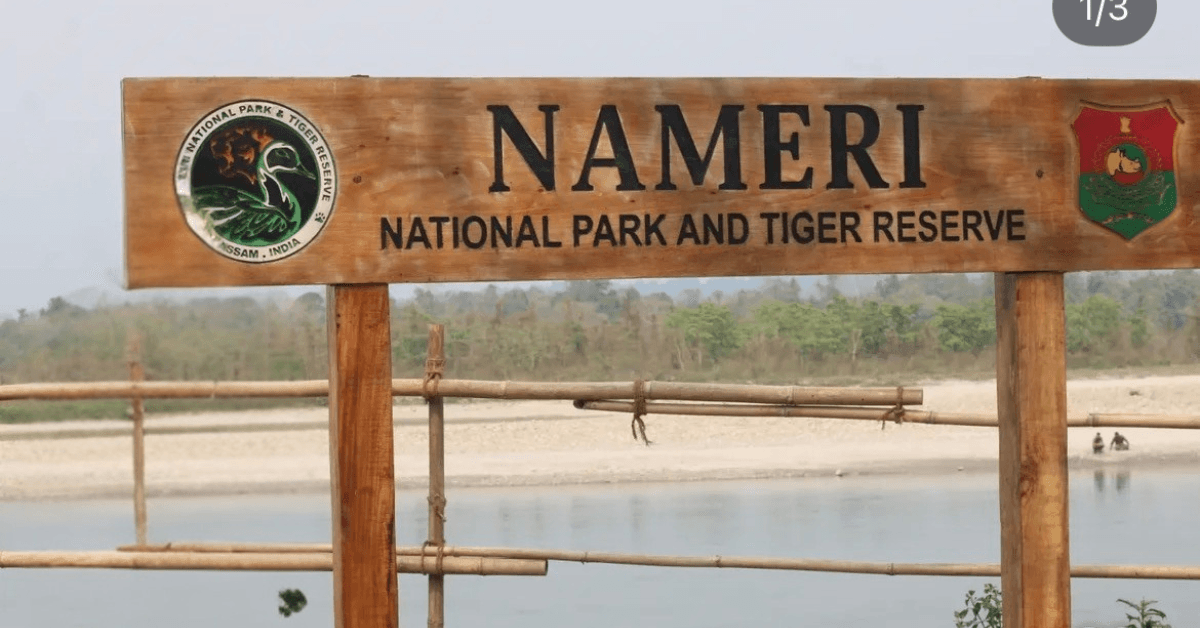
Located in the northeastern region of Sonitpur district, at the foot of the Himalayas, Nameri National Park is a beautiful gift of nature. It is not only a vast reservoir of biodiversity, but also it is a place of immense tourism potential that can play an important role in the future economic development of the state of Assam. This beautiful forest, its life-giving rivers and rare wildlife have a huge potential to attract nature lovers and adventure tourists from home and abroad. If the Nameri National Park can be developed through proper conservation of its natural resource and sustainable tourism, the tourism industry of Assam will gain new momentum and it will emerge as an ideal center for sustainable development.
About Nameri National Park
Nameri National Park is unique in its geographical location and environmental characteristics. The park shares a long northern boundary with the Pake Tiger Reserve in Arunachal Pradesh, creating a vast, unbroken and green bio-reserve area of about 1,000 square kilometres. This integrity has opened up a safe path for free movement, migration and breeding of wildlife. The recognition of this area as a ‘wildlife corridor’ has increased its conservation importance. The forest area of the park is mainly an attractive mixture of tropical evergreen and dry deciduous trees, with figs, jackfruit, garlic, vets and valuable medicinal plants. This deep forest area of Nameri provides a huge opportunity for tourists who want to do research, ecological studies and understand the depths of nature. The biological properties of the soil and forest stratigraphy of the park reflect its environmental characteristics, which is one of the rarest natural creations in the world.
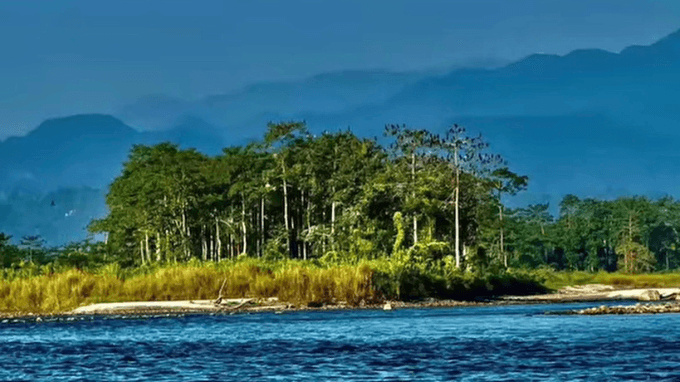
The Jia-bharali River flowing through the park is the lifeblood of Nameri and the main focus of its natural beauty. Eco-camps on the banks of rivers, which give a feeling of being in harmony with nature, give tourists the opportunity to spend time in a quiet and serene environment away from the noise of urban life. The location of the Jia-bharali River also shows the potential to develop Nameri as a center of ‘water tourism’.
The diversity of wildlife and birds of Nameri is the mainstay of its tourism. The park is a safe haven for many majestic and rare mammals including leopard, elephant, wolf, bear, deer and various species of monkeys. Nameri is recognized as a significant habitat for the world’s endangered bird Deohah (White-winged Wood Duck), which has given it a special status in the field of bird tourism. There are more than 300 species of birds including dragonflies, cuckoos, owls and other birds that make it a paradise for bird watchers. In addition, the safe trekking facility available in Nameri is noteworthy.
Way Forward for Tourism in Nameri
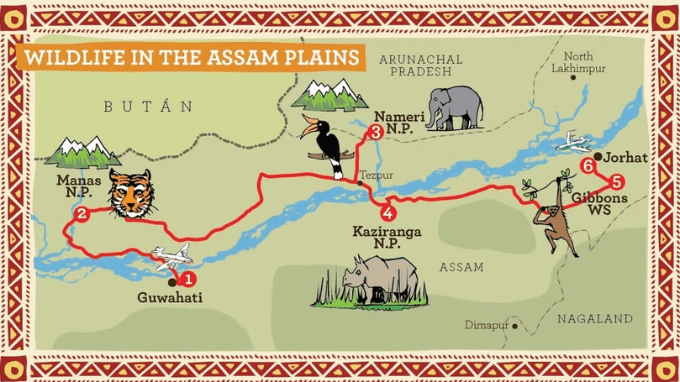
A well-organized and well-planned infrastructure development is needed to realize the tourism potential of Nameri. Smooth, safe and timely transportation to the park from the nearest town of Tezpur, which has both an airport and a railway station, must be ensured. It is essential to develop modern facilities, cleanliness, adequate security and good quality guest houses, lodges and eco-camps around the park. In addition, it is time to improve tourist information centres, health services and emergency assistance facilities.
Active participation and empowerment of the local community is essential to make Nameri a successful tourism centre. They trained and employed local youth in various jobs like forest protection, nature guides, eco-camp management, transportation and cultural programmes.
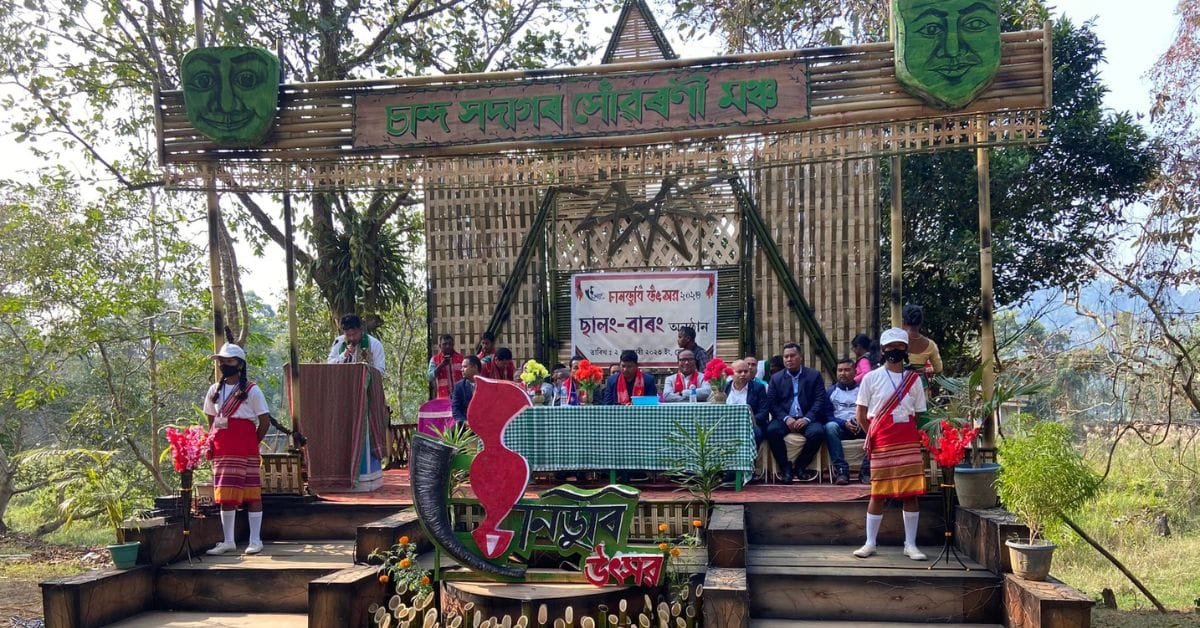
Combining tourism with indigenous culture, traditional food and handicrafts can create a new genre of cultural tourism. Presenting the traditional costumes, folk dances, indigenous food and handicrafts of the local communities to tourists will provide a distinctive cultural experience, which will further enhance the appeal of Nameri.
The policy of ‘sustainable eco-tourism’ should be strictly followed for tourism in Nameri National Park. While ensuring economic benefits from tourism, its environmental conservation must be given top priority. Strict rules such as controlling the number of tourists, restricting entry to certain areas and banning the use of plastic altogether must be introduced to protect the resources of the park. A protection fund should be established for the conservation of the park, where a large part of the revenue collected from tourism will be spent. This fund can be used for wildlife treatment, conservation of elephant corridors and awareness raising among the local people.
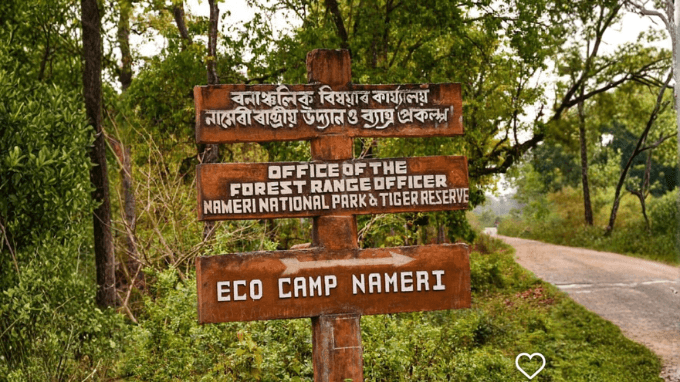
Nameri should be promoted as a distinct and special tourist destination along with other National Parks of Assam like Kaziranga and Manas National Park.
The main attractions of Nameri are its adventure activities, special trekking facilities and bird watching opportunities. These features must be properly presented to the world. The creation of a well-organized inter-state tourism circuit with the Pak Tiger Project in Arunachal Pradesh will open a new horizon on the tourism map of the North East. This joint effort will provide tourists with a comprehensive experience of wildlife and culture of both the states.
Challenges in Tourism Development
There are some important challenges in the development of tourism in Nameri which need to be addressed. Firstly, the problem of wild elephants and human-animal conflict is a major problem for both local people and wildlife. To address this problem, a well-organized policy, modern technology such as GPS tagging for elephant location and active participation of the forest department is required. Secondly, strict action must be taken against poaching, illegal logging and forest encroachment. These challenges can be addressed by strengthening security systems and increasing the skills of forest guards. Third, it is urgent to develop a scientific and operational plan to address long-term issues such as climate change and population pressure on forests. The development of sustainable tourism can only be achieved by overcoming these challenges.
Due to limited tourism time, alternative tourism facilities should be developed to make Nameri attractive at all times of the year such as encouraging bird watching in the winter, adventurous river rafting in the summer and research trips throughout the year.
In conclusion, Nameri National Park is a hidden treasure of Assam. Through the conservation and sustainable development of Nameri, it will not only pave the way for economic self-reliance of the state, but will also be able to present a shining example of this invaluable natural heritage of Assam to the world.