In the Ahom administration, the people who supplied rice, chira, sandah, pitha, etc. to the royal treasury was called Dhekiyal (ঢেকিয়াল). The responsibility of supervising and managing the activities of these people lay with Dhekial Phukan (ঢেকিয়াল ফুকন). Later, most of the activities of the Dhekial Phukan were managed by Dhekial Barua (ঢেকিয়াল বৰুৱা) and Dhekial Phukan was employed to collect revenue in the area under Borphukan, the representative of the Ahom administration in Guwahati and West Assam.
Ahom King Swargadeo Shiva Singh (r. 1714-1744) was raised by one Kuchuni Ligiri (daughter of a Koch). After his accession to the throne, Shiva Singh appointed a brother of Kuchuni Ligiri as Dhekiyal Barua at the request of his mother. Later, Shiva Singh married Phulmati, named her Phuleshwari. Later, Phuleshwari was made queen-regent on the advice of Ahom priests.
According to history, members of the noble Ahom families such as the Burhagohai clan, Lukhurakhun clan, Lahan clan and Changmai clan were appointed to the post of Dhekiyal Phukan. Lachit Borphukan, a well-known and patriotic general in the history of Assam, was a member of the Lukhurakhun clan. According to the available genealogy of the Lukhurakhun clan, Brajnath Dhekial Fukan, a great-grandson of Lachit Barphukan, was appointed to the post of Phukan. Mani, son of Brajnath Dekial Fukan, held the post of Dhekial Barua during the reign of Swargadeo Rajeshwar Singh (r. 1751-1769).
Later, Mani Dekial Barua was convicted of conspiracy to attempt to assassinate Borborua Kirti Chandra Barbaruah and sentenced to death. Ranganath was the son of Mani Dekial Barua and Ranganath had three sons, Bisturam Fukan, Sambharam Dulia Barua and Tekela Barua respectively.
During the Burmese invasion of Assam and its aftermath, the members of this family settled in the village of Mohpara in Puranigudam (Nagaon district). The descendants and other members of the family of Sonaram Phukan and Kunjaram Phukan, prominent figures of this dynasty, are now living in Mohpara village and Nagaon town.
During the early reign of Swargadeo Chandrakant Singh (1811-1818), Odishanath Dekial Phukan, son of Ahom Prime Minister Purnananda Buragohain, held the post of Phukan. Odishanath Dekial Fukan was married to Majio Aideu, sister-in-law of Swargadeo Chandrakant Singh and Pijou Gavru, daughter of Badan Borphukan. Badan Borphukan fled first to British-occupied Bengal and later to Myanmar and took refuge in Assam with the help of the Burmese king Badaupha. The entry led to the Burmese invasion of Assam.
In the second period of the reign of Swargadeo Chandrakant Singh (1819-1821), Chandrakant Singh appointed Haliram Duarah Barua as Dhekial Fukan. On 21 June, 1822, the Burmese army led by Mingimaha Tilwa attacked Hadira Chowki and defeated the army of Chandrakant Singh. Along with Chandrakant Singh, Haliram, Yajnaram and other officers took refuge in the British occupied territories. The Ahom kingdom was completely occupied by the Burmese with the defeat of Chandrakant Singh and it was the end of independent Ahom kingdom in Assam.
Later, Assam came under British rule as a result of the First Anglo-Burmese War (1824-1826). After the fall of the Ahom kingdom, Haliram Dekial Phukan and his younger brother Yajnaram Kharghariah Phukan both joined the newly established British administration as officers.
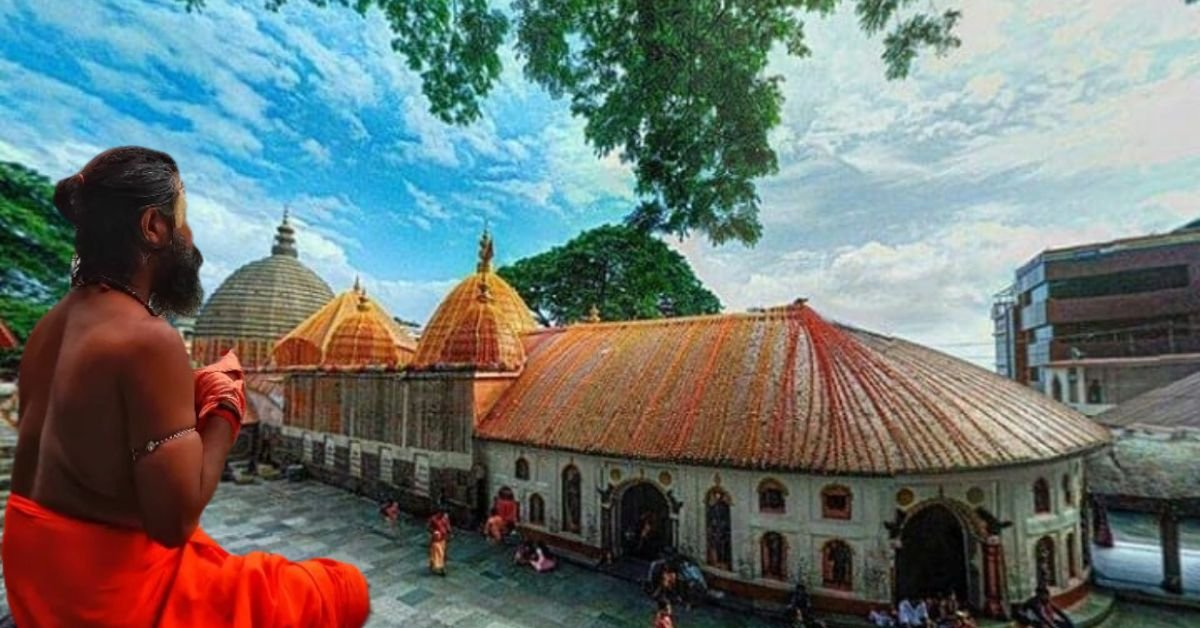
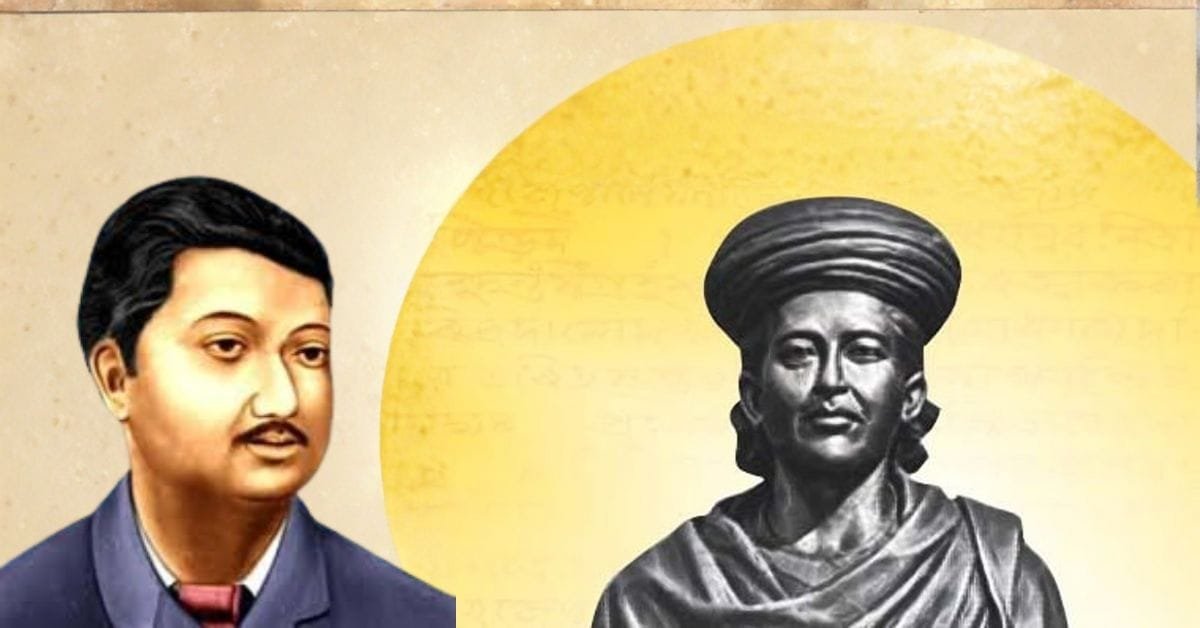
In 1829, Haliram Dekial Phukan’s first wife Prasuti gave birth to his only son, Anandaram Dekial Phukan, one of the leading social reformers of the pre-modern era in Assam. Haliram Dekial Phukan was a scholar of Sanskrit and Bengali. He once visited Calcutta and noticed that outsiders were not well aware of Assam and that people from other states at that time considered Assam to be a land of forests and tantra. He wrote two books in Bengali to counter this: Kamakhya Yatra Paddhati (কামাখ্যা যাত্রা পদ্ধতি) and Assam Buranji (আসাম বুৰঞ্জী). The books were printed by Haliram Dekial Phukan and distributed free of charge in Calcutta.
In 1832, Haliram Dekial Phukan fell ill while performing puja at his temple on Umananda Island in Guwahati. In 1833, the British government appointed Purandar Singha, grandson of Swargadeo Rajeshwar Singh, as the tax-paying king of the southern part of Assam. When Purandara Singh ascended the throne, he appointed his descendants to the previous ministerial posts. After the death of Haliram Dekial Phukan, his infant son Anandaram Dekial Phukan was appointed to the post.
As Anandaram was young, his uncle Yajnaram Kharghariah Phukan (grandfather of the patriot Tarun Ram Phukan) lived in Jorhat and performed the duties of Dhekyal Phukan under the administration of Purandar Singh.
In 1838, the British government deposed Purandar Singh for failing to pay taxes on time and ended the six hundred year Ahom rule in Assam. As a result, Anandaram Dhekial Phukan became the last Dhekial Phukan of the Ahom dynasty.
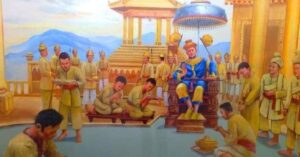
In the royal assembly of the Ahom kings, Majindar Barua wrote down the orders of the king and read out the orders appointing new officers in the royal assembly. There were four Changkakoti (চাংকাকতী) officers under Majindar Barua to assist in the writing work.
According to the biography of Anandaram Barua by Surya Kumar Bhuyan, the Majindar Barua of the late Ahom period were Bandhuram Majindar Barua, Raghunath Majindar Barua and Gargaram Majindar Barua. Gargaram Majindar Baroua was the last Majindar Barua of the Ahom dynasty. He was known as ‘Powali Barua’ because he got Majindar Barua at an early age. In the second decade of the nineteenth century, Assam was invaded three times by neighboring Myanmar (1817-1826) as a result of infighting and disputes among the Ahom officials. The kings and subjects were suffering from the fierce attacks of the Burmese.
It is said that Gargaram Majindar Barua was captured by the Burmese and was being taken to Myanmar, but Gargaram Majinda Barua cleverly escaped from the Burmese captivity.
After the fall of the Ahom kingdom, Gargaram Barua served as the Sadar Amin during the British rule. Gargaram Baruah had two wives. His first wife was Durlaveshwari, daughter of the Duwarah dynasty of the Ahoms. The third child of Gargaram Baruah and Durlaveshwari was Anandaram Baruah, the first Assamese civil officer and District Commissioner of the British era and a high-ranking Sanskrit scholar, well known in our Assamese literature.