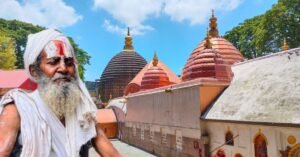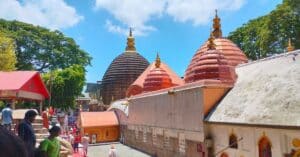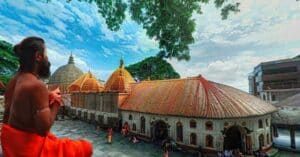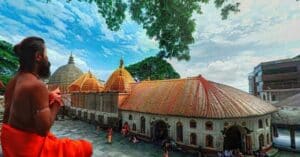
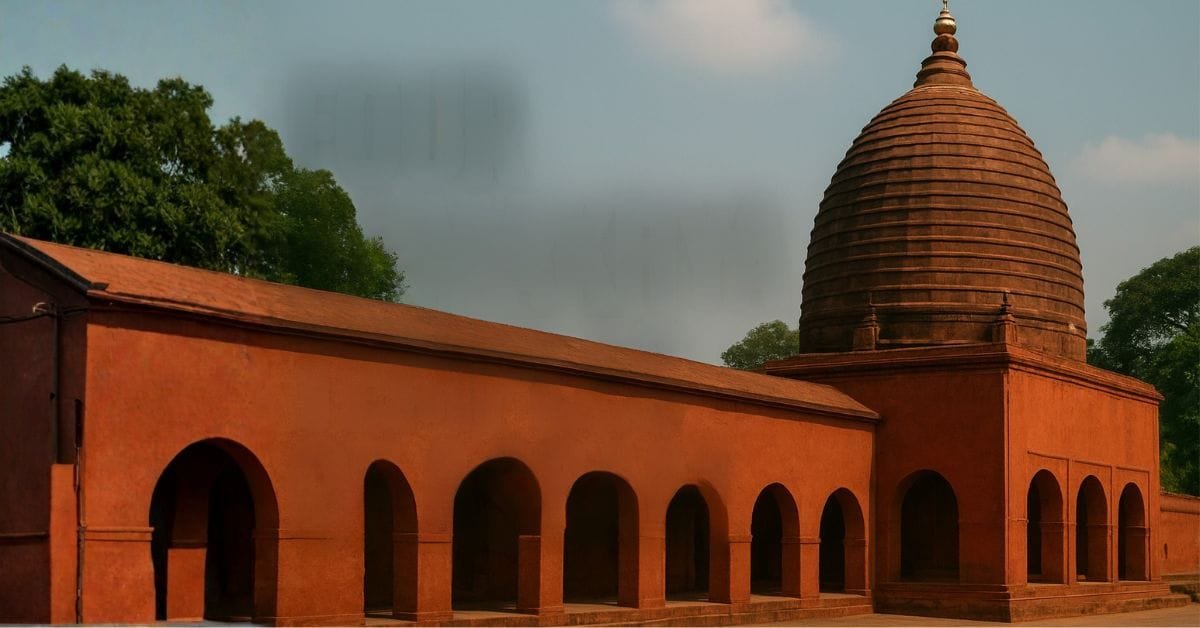
The Kamakhya Temple of Guwahati, perched atop the Nilachal Hills on the southern bank of the Brahmaputra River, is one of the most sacred Shakti Peeths in India. Revered as a powerful centre of Tantric worship, the temple receives millions of devotees every year from India and across the world. It is believed that Maa Kamakhya fulfils the wishes of true devotees, making this shrine a symbol of faith, fertility, and divine power. However, what many people do not know is that Kamakhya is not limited to Guwahati alone.
Very few are aware that there are four Kamakhya temples in Assam, each with its own history, royal patronage, and religious significance. Interestingly, King Naranarayan of the Koch dynasty built two of them, while others rose due to political shifts and divine legends.
In this blog, we explore all four Kamakhya temples in Assam, shedding light on their lesser-known histories and traditions.
Kamakhya Devi and the Concept of Multiple Shrines
Before delving into individual temples, it is important to understand that Kamakhya worship was not confined to one location. Changes in capital cities, dynasties, and political centres often led to the establishment of new temples to ensure continuity of Shakti worship.
Thus, while Nilachal Kamakhya remains the most prominent, three other Kamakhya shrines came into existence over centuries, preserving the same spiritual essence.
Nilachal Kamakhya Temple, Guwahati
The Kamakhya Temple at Nilachal Hills is the most famous and revered among all four. It is the Principal Shakti Peeth.
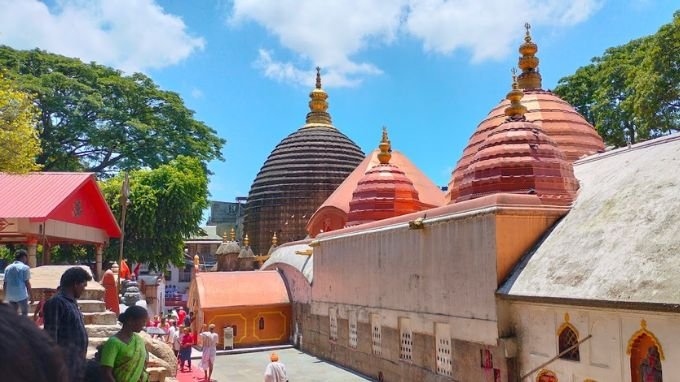
Early Origins and Dynastic Patronage
The temple rose to prominence during the reign of Narakasura of the Asura dynasty, who, according to the Kalika Purana, introduced the Shakti cult at Kamakhya, even banning Saivism which had been practiced earlier.
Later, the temple enjoyed royal patronage from:
Varman Dynasty (350–650 AD)
Salastambha Dynasty (655–985 AD)
Pala Dynasty and subsequent rulers
Nilachal Kamakhya eventually emerged as the supreme centre of Tantric Shakti worship, especially known for Ambubachi Mela, Durga Puja, and Kali Puja.
Kamakhya Temple of Silghat
Why a Second Kamakhya Was Built?
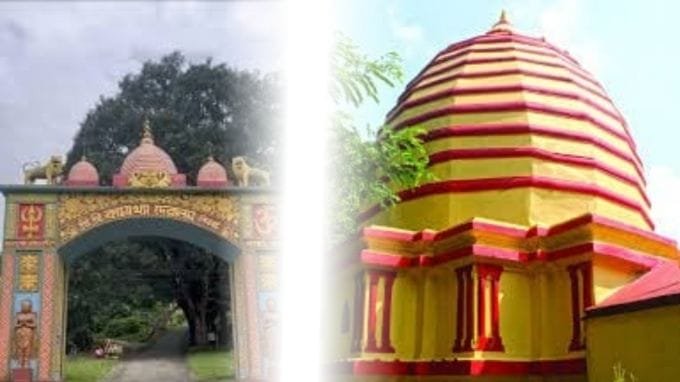
After the death of Bhaskar Varman, the Salastambha dynasty emerged in Assam. The rulers of Salastambha dynasty shifted the capital of Kamrup from Guwahati to Tezpur(Dah-Parbatiya). Due to the distance from Nilachal, the rulers established another Kamakhya shrine atop Kamakuta Hill at Silghat near Kaliabar (Nagaon). Google Map Link Here.
This temple is believed to be over a thousand years old and was established by King Banamaladeva of the Salastambha dynasty.
Decline and Revival
With the capital eventually shifting back to Guwahati under the Brahmapala dynasty, the Silghat Kamakhya lost prominence. Natural calamities like earthquakes flattened the original structure, leaving behind only:
An image of Goddess Kamakhya
An image of Mahishasuramardini
In 1745 AD, Ahom king Pramatta Singha reconstructed the temple after dreaming that he would be blessed with a son if the shrine was restored. He:
Re-established worship
Settled 15 Brahmin families
Granted land, leading to the formation of a village named after Kamakhya.
Unique Rituals and Festivals
All rituals of Nilachal Kamakhya are mirrored here
Major festivals: Durga Puja, Kali Puja, Basanti Puja, Ambubachi
Gosani Utha (Lombha) ritual with Ghori dance, similar to the Deodhani of Nilachal
During Durga Puja, no idol is worshipped; instead rituals include:
Navapatrika (paddy, turmeric, mankachu)
Three fruits (banana, stone apple, pomegranate)
Three flowers (Ashok, Jayanti, Aparajita)
This temple remains a living testament to Assam’s forgotten spiritual heritage.
Kamakhya Temple of Mankachar
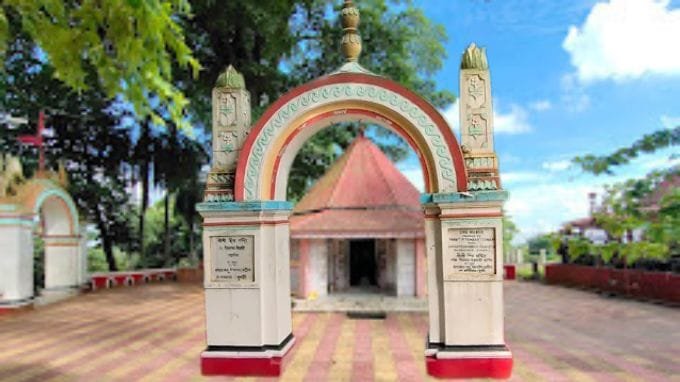
The Mankachar Kamakhya Temple was built by King Naranarayan of the Koch dynasty, primarily for the local population.
Location and Cultural Importance
Located near the tomb of Mir Jumla
Later renovated by the Koch-Rajbanshi community
Nestled in Thakurarbari of the Garo Hills (Meghalaya), close to the Assam–Bangladesh border. Google Map Location Here.

Tribal and Community Worship
This shrine honors Devi Kamakhya as the Kuldevi of the tribal people of Thakurarbari. To ensure daily worship, the Koch king brought Hindu families to the region. The temple complex includes additional shrines dedicated to: Shiva, Durga, Shakti, Hanuman and Santoshi Mata
Here, Kamakhya is also worshipped as Kali and Tripura Sundari, reflecting a rich blend of tribal, Shakti, and royal traditions.
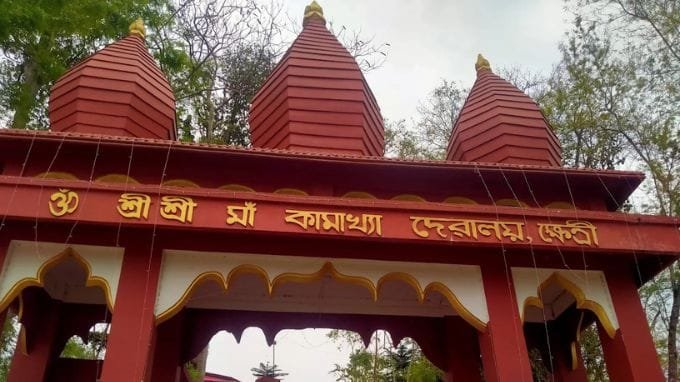
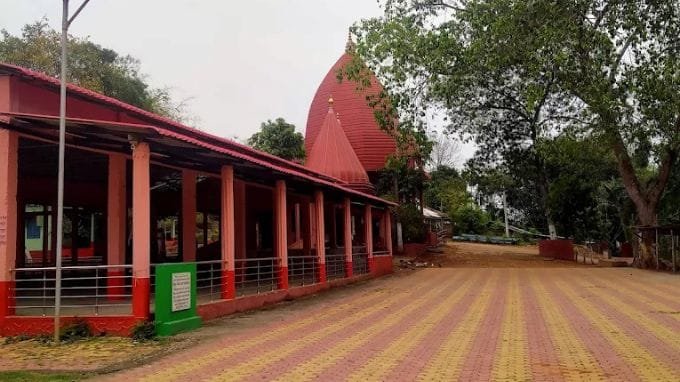
Khetri Kamakhya Temple, Kamrup (Metro)
The Kamakhya Temple at Khetri is around 200 years old and carries deep mythological significance. Google Map Location Here.
Mythological Origin
According to legend, when Lord Shiva wandered with the charred body of Goddess Sati, her kneecap fell at Khetri, making it a sacred Peeth.
The site was revealed to King Arimatta through a divine dream, after which a temple was erected.
Ritual Practices
Known for grand Durga Puja, celebrated with royal and Vedic rituals
Buffalo sacrifice on Navami (Vami Day) has been a long-standing tradition
Considered a powerful Shakti centre in Lower Assam
Conclusion: One Goddess, Four Sacred Abodes
Though the Nilachal Kamakhya Temple remains the most popular, the existence of three other Kamakhya shrines across Assam reveals a much deeper and layered history of Shakti worship in the region.
From the ancient Salastambha legacy of Silghat, to the Koch royal shrines of Mankachar, and the mythological Peeth of Khetri, these temples together narrate Assam’s enduring spiritual connection with Maa Kamakhya.
Understanding these lesser-known shrines not only enriches our knowledge of Assamese history but also helps preserve a heritage that deserves recognition beyond Guwahati.
Jai Maa Kamakhya.